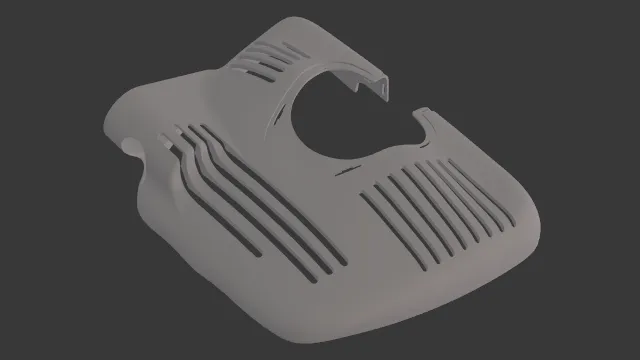
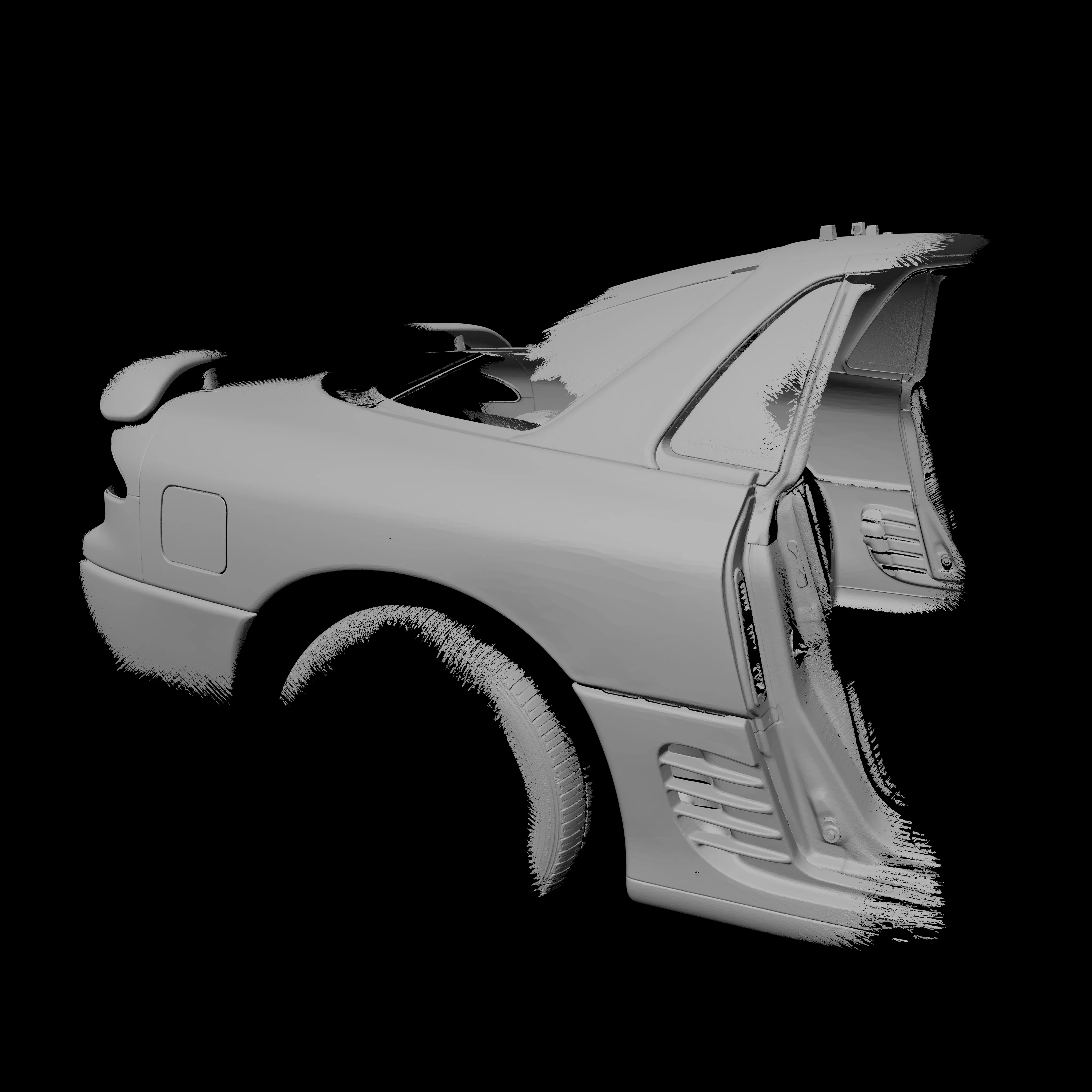
SCAN_003Volvo_dashcam_cover.stl
Reverse Engineering Spotlight: Volvo
A custom dashcam cover for a Volvo, developed from 3D scans and prototypes. One of my more challenging reverse engineering projects, and worth the time.
Taking ordersRaleigh, NC
Reverse engineering · 3D scanning · Gaussian splatting
From part in hand to defined model in days.
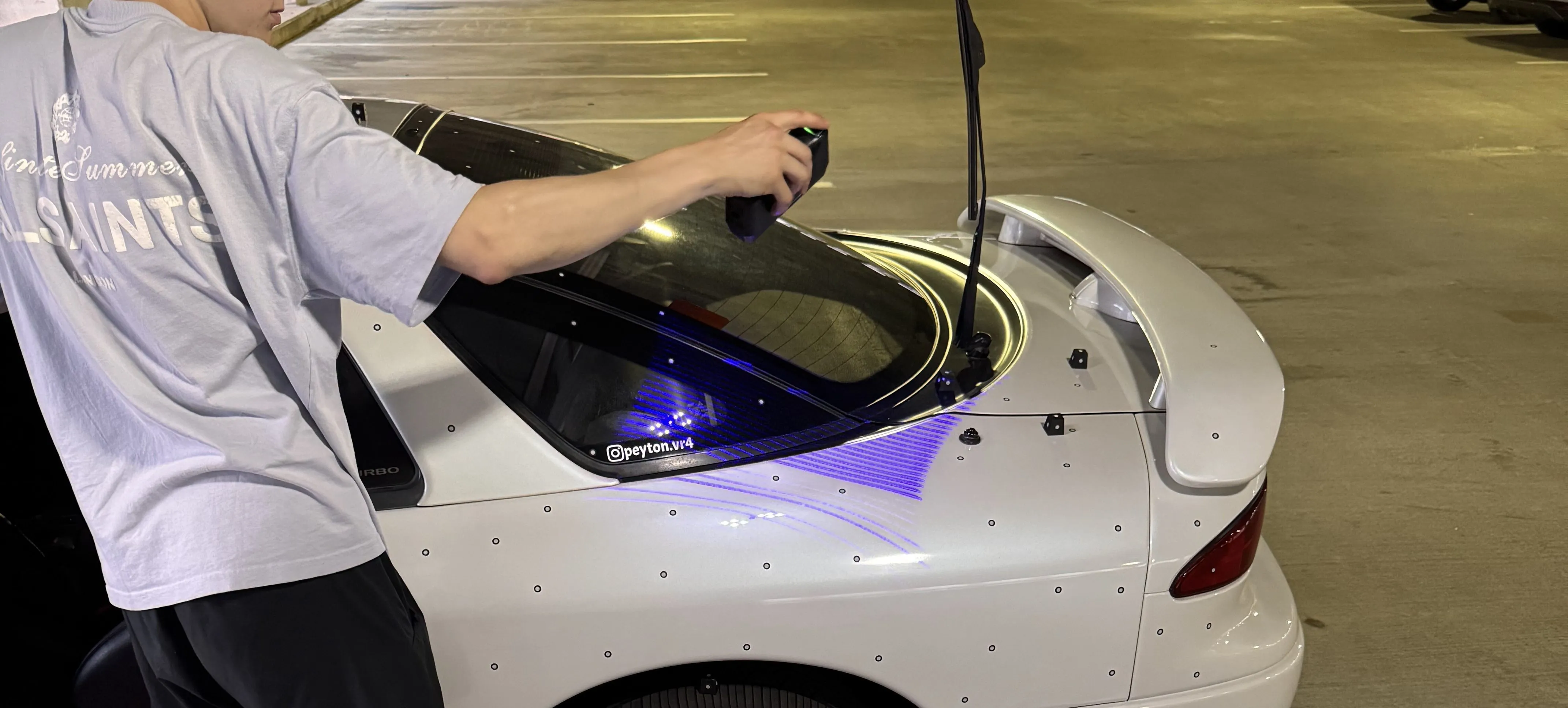
Projects_0013 files
SCAN_003Volvo_dashcam_cover.stl
A custom dashcam cover for a Volvo, developed from 3D scans and prototypes. One of my more challenging reverse engineering projects, and worth the time.
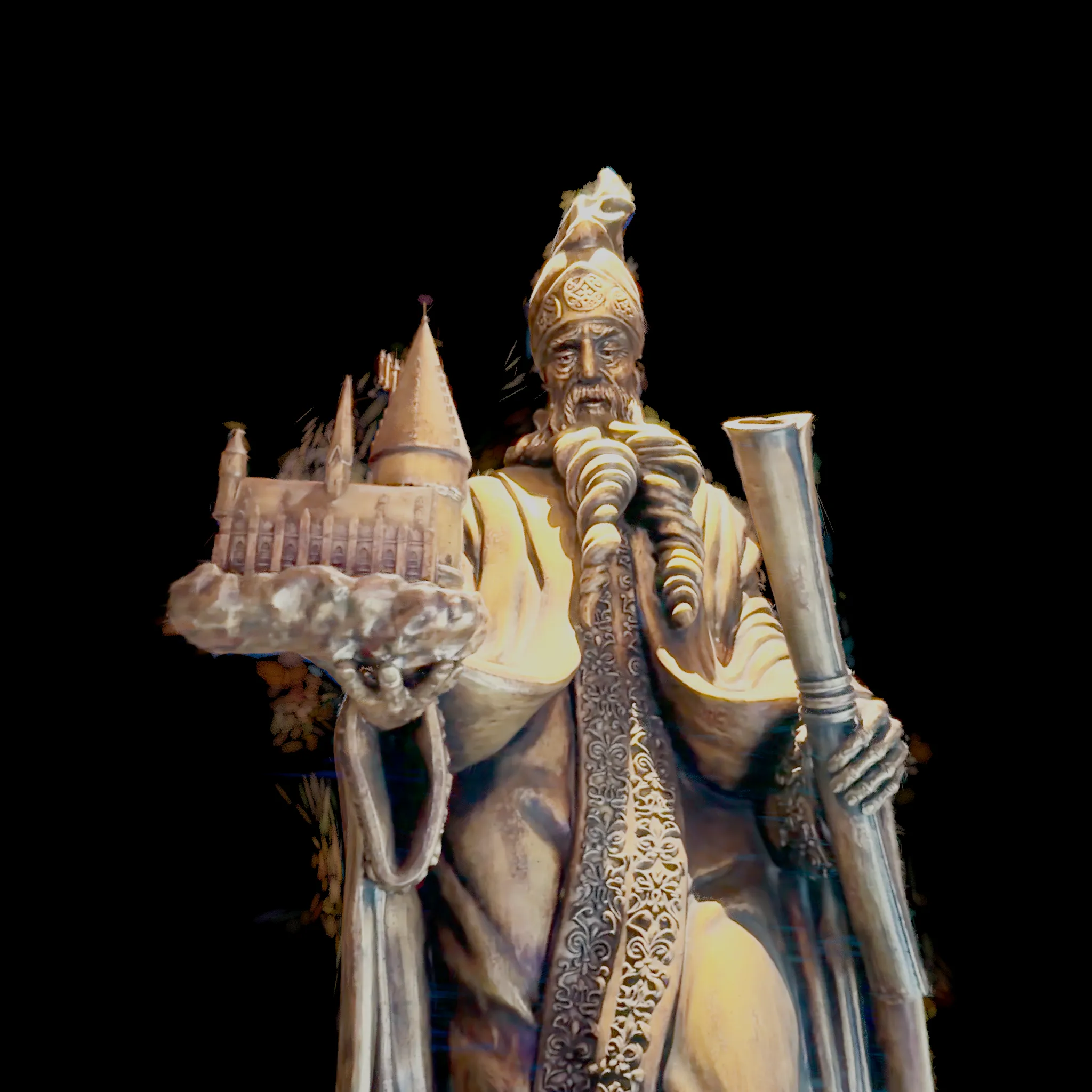
SCAN_002Harry_Potter_splat.ply
Gaussian splatting turns ordinary photos into a 3D scene you can explore. Spin and zoom around this interactive splat right in your browser.
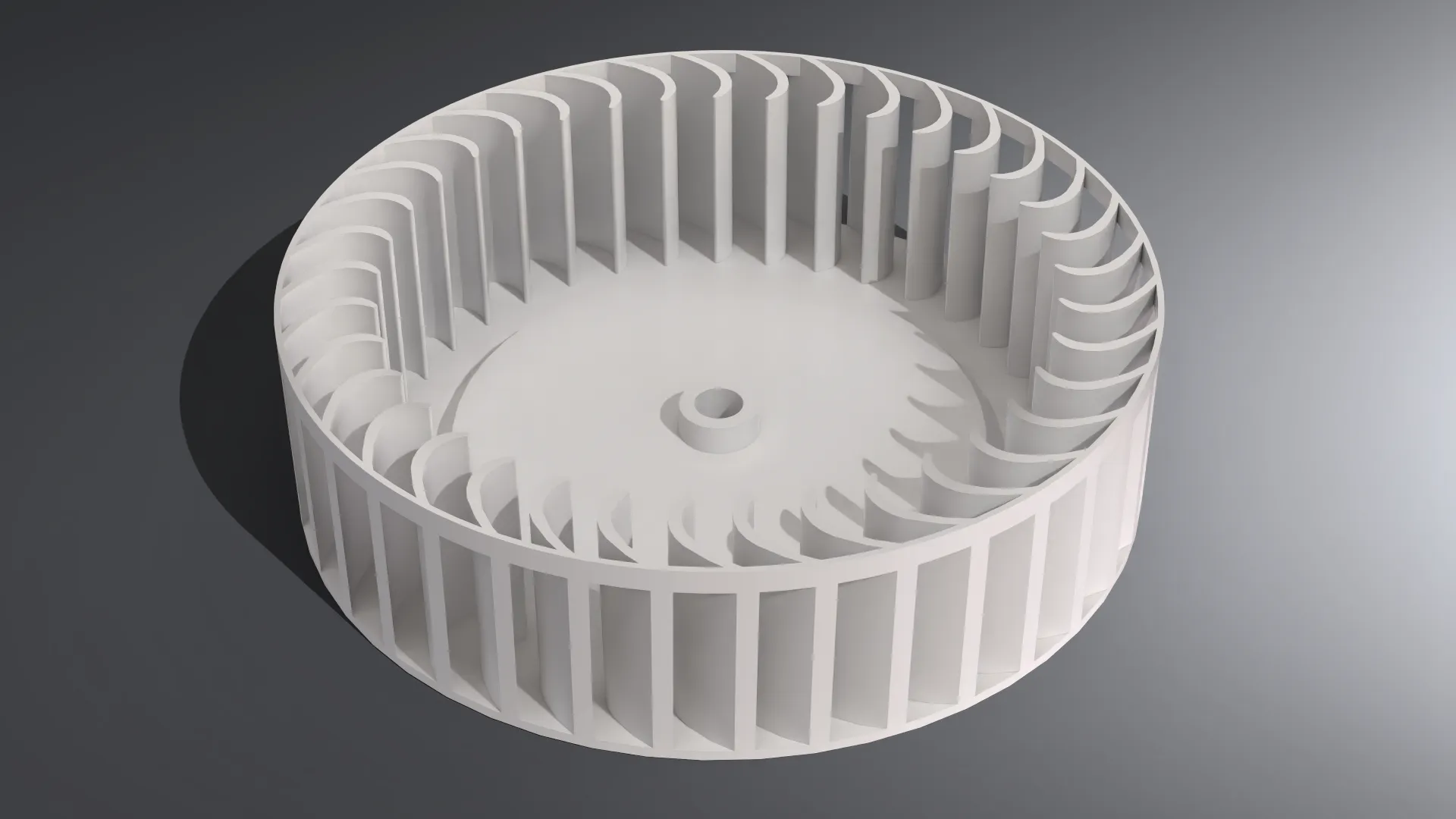
SCAN_001Blower_fan.stl
A broken squirrel-cage fan from an air hockey table, 3D scanned, rebuilt in SolidWorks and printed in PLA as a 1:1 replacement in a couple of days.
Info_002.txtAbout
3D scanning is the process of digitally capturing the shape and appearance of real-world objects and environments. Using cameras, lasers, or AI, these techniques convert physical spaces into data that can be viewed, shared, and manipulated on a computer. Over the past few years, 3D scanning has exploded in accessibility — what once required expensive hardware can now be done with a smartphone. This site explores the different methods used to create 3D captures, with a focus on an exciting new technique called Gaussian Splatting.
Methods_004Learn
FAQ_0053 questions
Not anymore, thanks to photogrammetry and now gaussian splatting, it is possible to get near photorealistic models with just a smartphone camera.
A point cloud is just the collection of raw points that are in a 3D space. A mesh is what connects these points into triangles, creating an entire surface from the point cloud.
The answer depends on your needs. Assess the size of your project, what detail you need, and what equipment you have to run the necessary programs. The “Learning the Methods” section will break down the strengths of each.