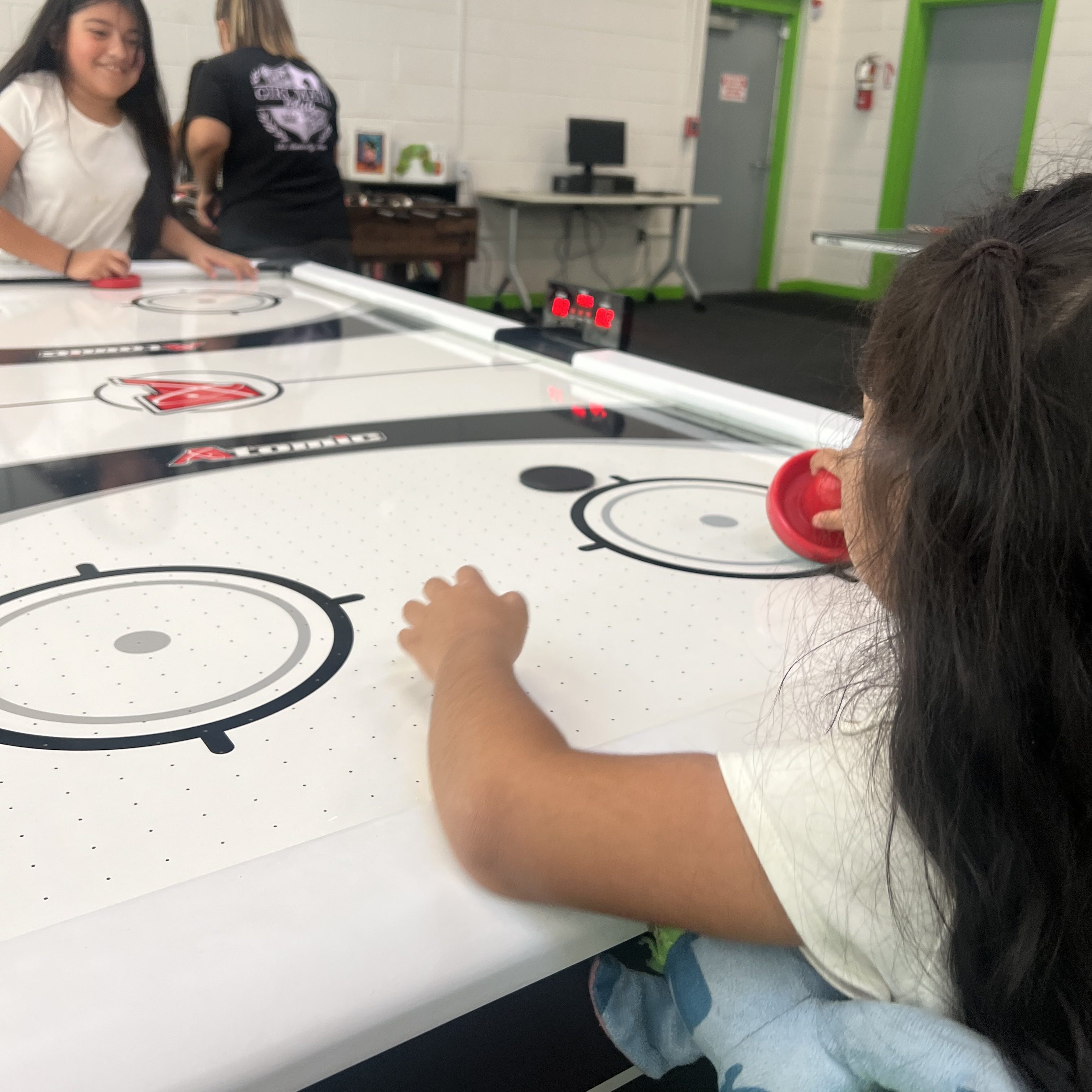
Normally when something breaks in an air hockey table, it’s impossible to fix. In this case, it was a squirrel cage fan that drove air through the machine and out the playing surface.
It came to me in three pieces, but thanks to 3D scanning I was able to create a 1:1 copy in just a couple days.
Object Assessment
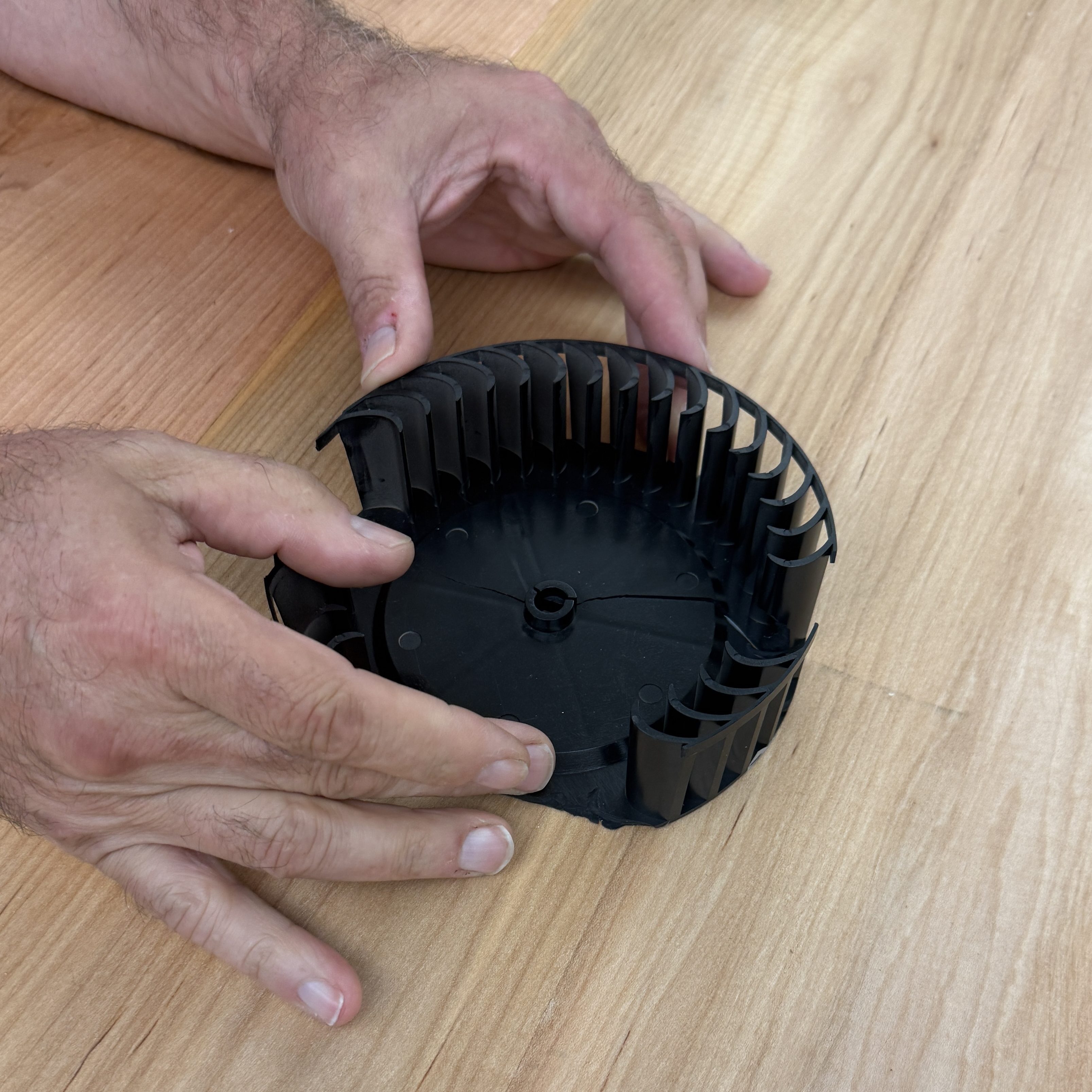
My professor came to me with this broken fan, needing an exact copy to be made. Because this object split into multiple pieces when it underwent Rapid unscheduled dissassembly, I knew I had to really plan out how I should scan and recreate this using a regular 3D printer.
The object was injection molded from a factory, and had a good amount of stiffness so I figured it was some type of ABS plastic. Because I had the opportunity, I decided I would recreate this object in both ABS and PLA.
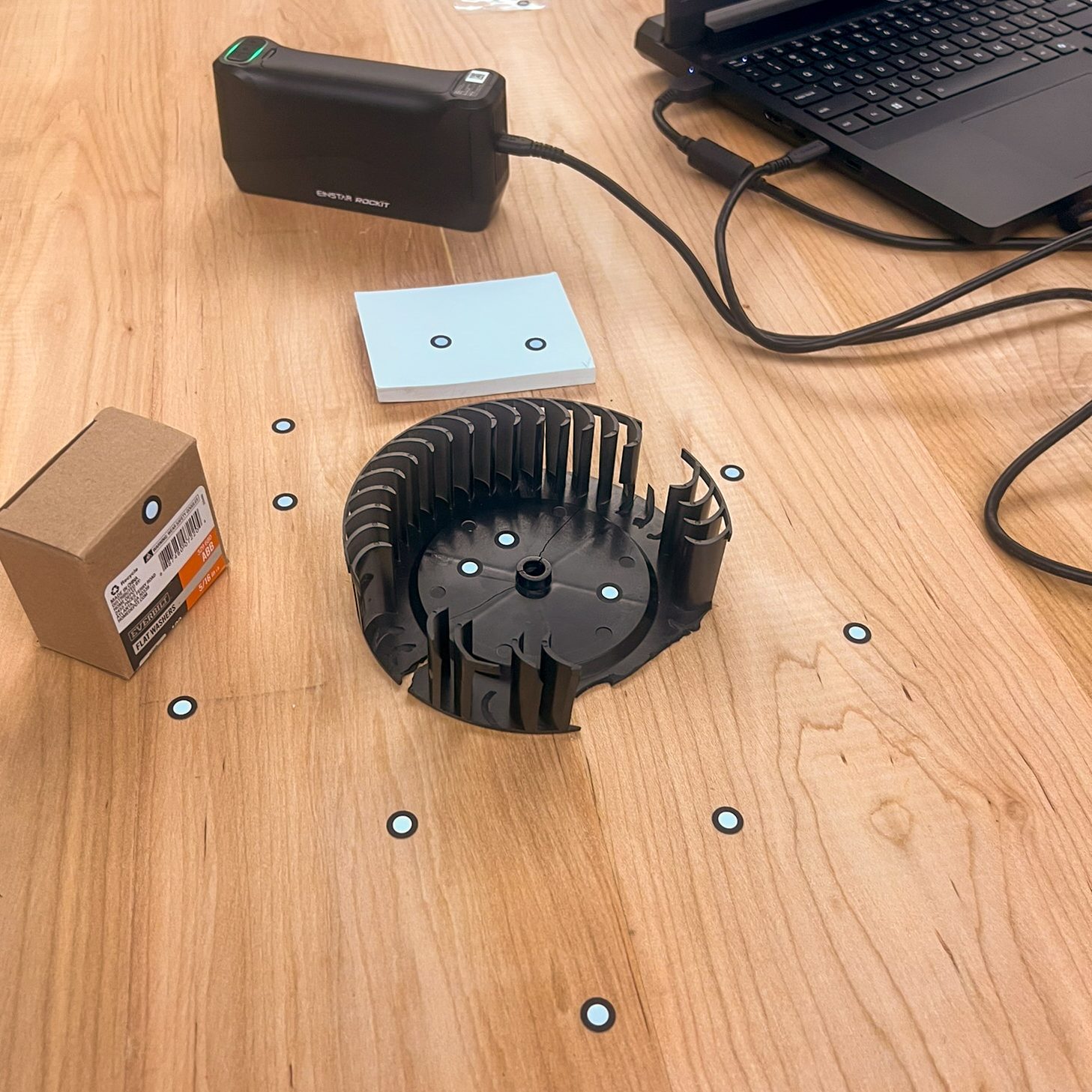
The next step was for me to prep the object to be scanned. I did not have my usual reference objects with me to scan so I decided to use a sticky note pad and box of nails in order to achieve a 3-Axis reference system.
3D Scanning
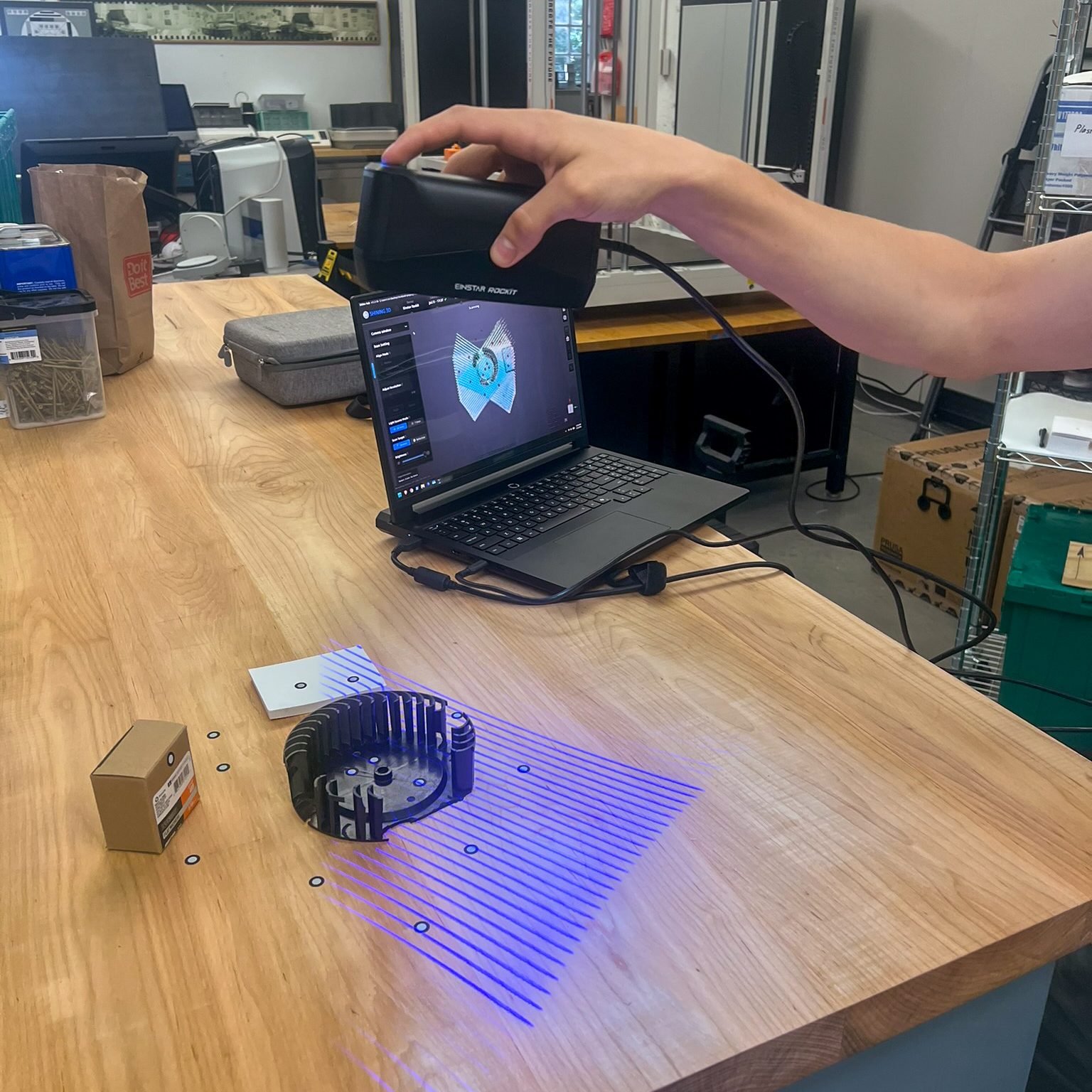
I set the scanner up and decided to use 0.1mm resolution for the mesh, this is a bit overkill but it worked fine for my process and was able to capture a great deal of detail.
Since this is multiple parts I felt inclined to scan them individually, then assembled. This would let me align them a little easier in the scan processing software, but it wasn’t completely necessary.
(Low Resolution example of test scan)
Surface Reconstruction
For the reconstruction process I decided to use my usual SolidWorks.
Modeling the model from here out actually only took a couple of hours.
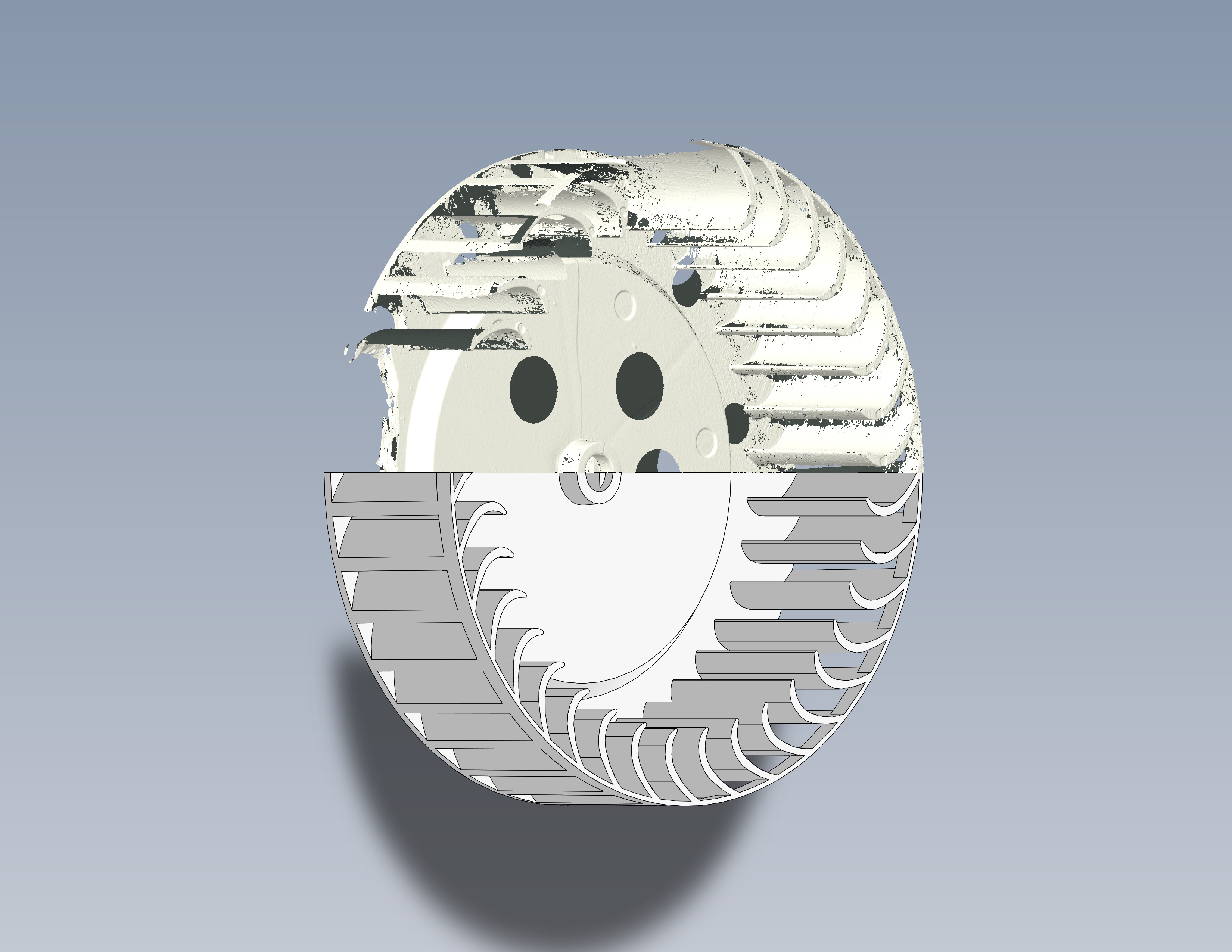
I decided to follow the exact mesh to create my parametric model, although to make printing easier could have flattened the bottom of the model in order to not have to use supports.
I couldn’t find anything else to optimize other than that, so I went forward to the production stage from here.
Production
Following my initial thoughts on material selection, PLA ended up being the final choice thanks to its excellent stiffness properties compared to the ABS part that I had printed.
Printed on Prusa Mk4S
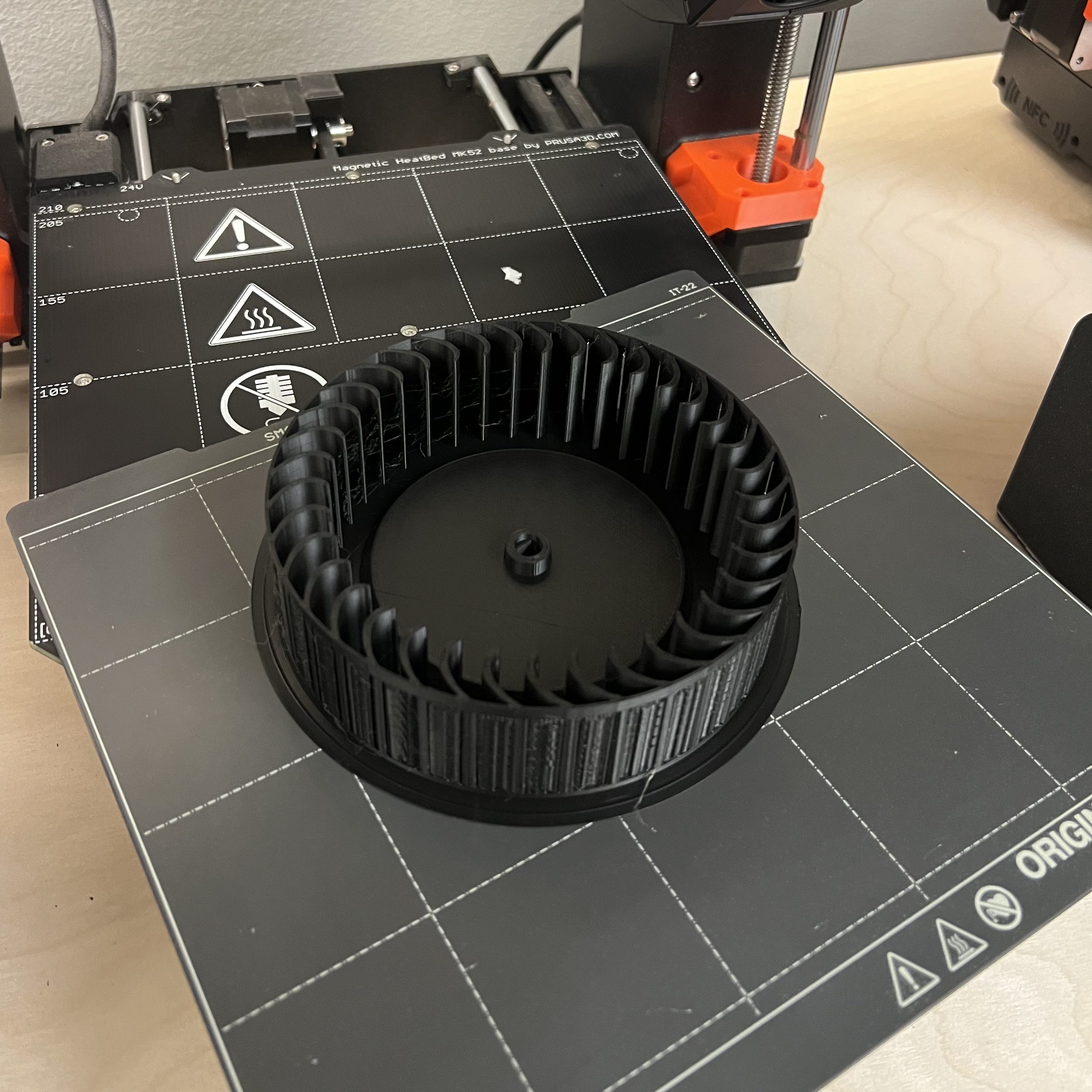
Once it was finished printing, it was installed back into its home.
Destined for the landfill, this air-hockey table is now saved and good as new!